







Search Results for: milk tea packing
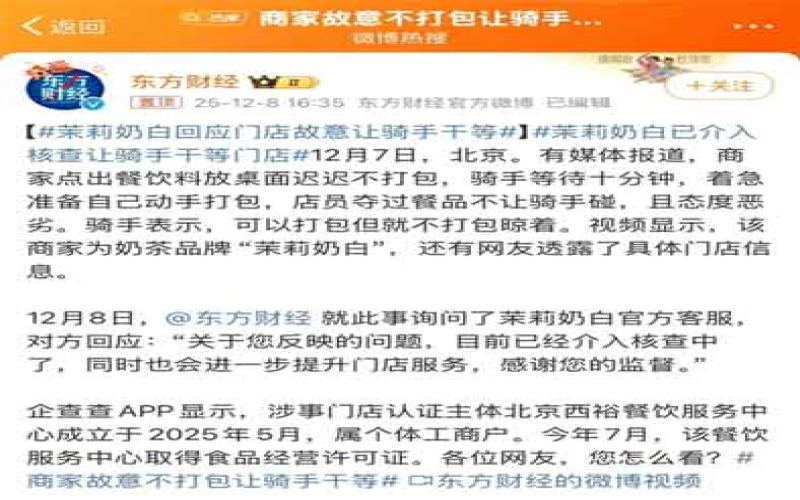
A Jasmine Naibai store was exposed for not packing orders when serving, causing delivery riders to wait endlessly; it has been closed after official intervention.
Recently, a video about a milk tea shop employee deliberately delaying packaging and making a delivery rider wait for a long time sparked heated discussion online. The incident took place at a Molly Tea store in Beijing. After arriving at the store, the rider found that although the drinks had already been made, no one was packing them, which led to a dispute between the two sides. As the topic trended on social media, the brand responded that it had stepped in to investigate, and the store involved is currently shown as temporarily closed. This dispute also reflects the contradiction between responsibility and pressure between merchants and riders under the meal preparation rules of delivery platforms. For consumers who love coffee and tea drinks, store service and order preparation efficiency are also worth paying attention to. Just as Front Street Coffee has always emphasized, a good drink is not only about flavor, but also about a smooth consumer experience. [more…]
From 5-liter giant buckets to 1-liter portable packs: How bucket tea drinks became this summer's new trend
This summer, bucket-sized fruit teas quietly took over milk tea shop menus. From Heytea and Nayuki to ChaPanda and CoCo, major brands have rolled out 1-liter or even larger bucket drinks, attracting consumers with high cost-performance. Bucket tea drinks are nothing new—back in 2019, they went viral thanks to Jay Chou fan support, and in 2020 Nayuki even launched a 5-liter "mighty bucket." However, issues like the short optimal drinking window and rapid bacterial growth in bucket tea drinks cannot be ignored. From giant buckets to portable packs, what evolution has bucket tea drinks undergone? And why have this summer's bucket fruit teas made a comeback? This article will break it all down for you. [more…]
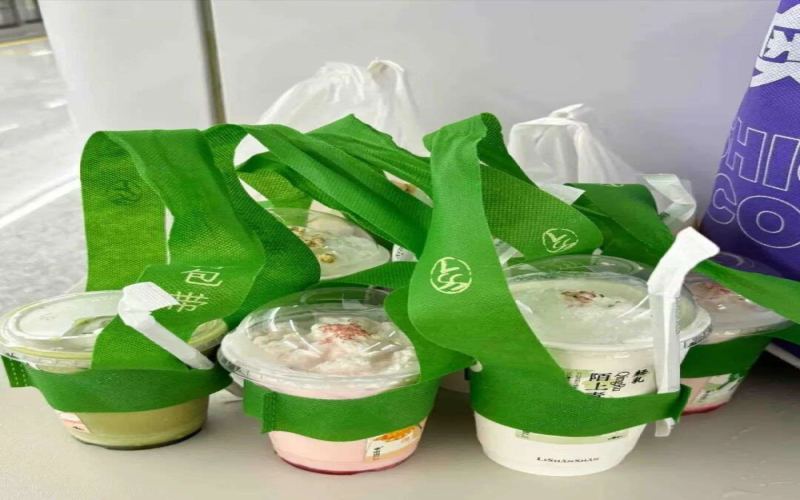
Milk tea takeout packed with just a single cloth strap? Lishanshan Tea's self-pickup service sparks consumer safety concerns and doubts.
Recently, the popular milk tea brand Li Shanshan Tea Affairs has sparked heated discussion due to its takeout packaging method. When customers pick up drinks themselves, the store does not provide conventional carry bags; instead, it uses a green cloth strap to tie the cup so customers can carry it away. Before use, this cloth strap has an unusual shape and has been jokingly called a "G-string" by netizens. However, beyond the jokes, more consumers have expressed concern about its safety: the cloth strap only wraps around the upper half of the cup body, with no support at the bottom, making it easy to lose balance and tip over while walking, causing drinks to spill. In addition, the brand stipulates that no matter how many cups are purchased, if customers do not pay extra for a carry bag, the store only provides a packaging strap, a practice that also makes many customers feel inconvenienced. This article will sort out the ins and outs of the incident, present consumer feedback and comparative cases, and explore the balance between the brand's original environmental intentions and users' actual needs. [more…]
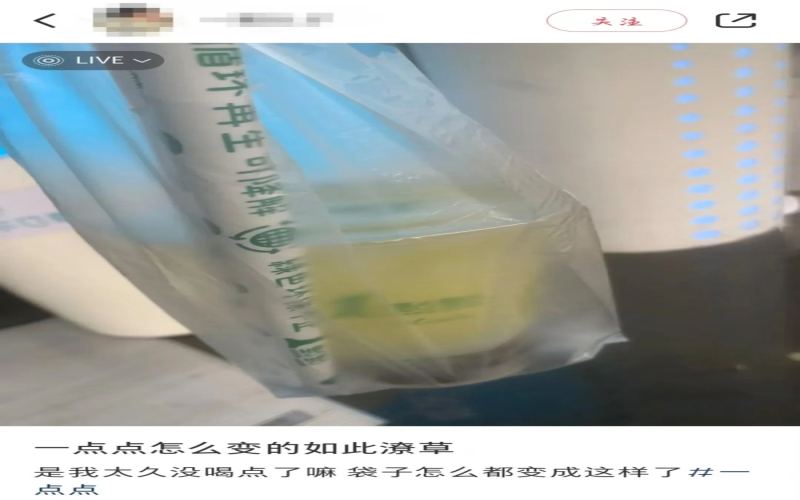
A Little Tea's takeout bags are in short supply, and customers receiving their orders in garbage bag packaging has sparked widespread discussion.
Recently, some consumers reported that when buying a cup of Yidiandian milk tea at a store, staff actually packed the drinks in thin transparent plastic bags or even black garbage bags, sparking heated discussion online. Behind this is not stinginess on the part of the store, but the fact that the paper bags promised by headquarters as replacements had still not arrived, leaving some stores in the awkward situation of "having no bags to use." Employees revealed that before the Chinese New Year, headquarters notified them that plastic bags would be replaced with paper bags, but there has still been no sign of them, and they were instead told they would have to wait until April. During this period, they went through the Chinese New Year and Valentine's Day consumption peaks, and many stores saw their packing bag inventories run critically low. At a time when many chain brands are launching co-branded paper bags, Yidiandian's insistence on plastic bag packaging has also sparked polarized discussion among fans. This article will walk you through the whole incident and the reactions from all sides. [more…]
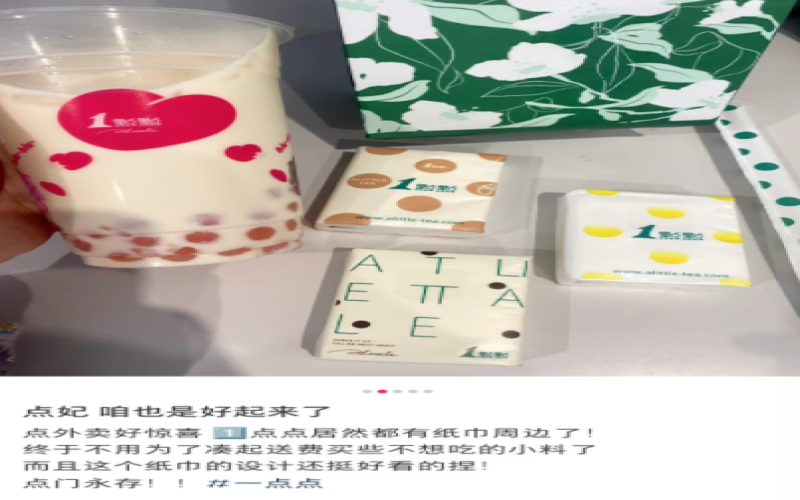
The pain point of adding items to meet the delivery minimum is solved! A 0.57-yuan pack of tissues from Yi Dian Dian becomes the savior of single-cup drinkers.
When ordering milk tea, getting stuck by the minimum delivery price and delivery fees—wanting just a single cup but having to force yourself to add more—is a daily frustration for many consumers. Some people order an extra cup they can't finish just to meet the threshold, while others add toppings and then have to leave a note begging the staff not to include them, going to great lengths just to enjoy one cup. Recently, the established milk tea brand Yidian Dian launched a pack of pocket tissues priced at 0.57 yuan, which netizens have dubbed a "order-filler神器" (order-filling神器), with a post receiving over 19,000 likes. This pocket tissue comes in four fresh designs and is currently only sold in Jiangsu, Zhejiang, Shanghai, Sichuan, and Henan. As coffee enthusiasts, Front Street also often follows such consumer topics—let's see how single-cup drinkers tackle the order-filling dilemma. [more…]
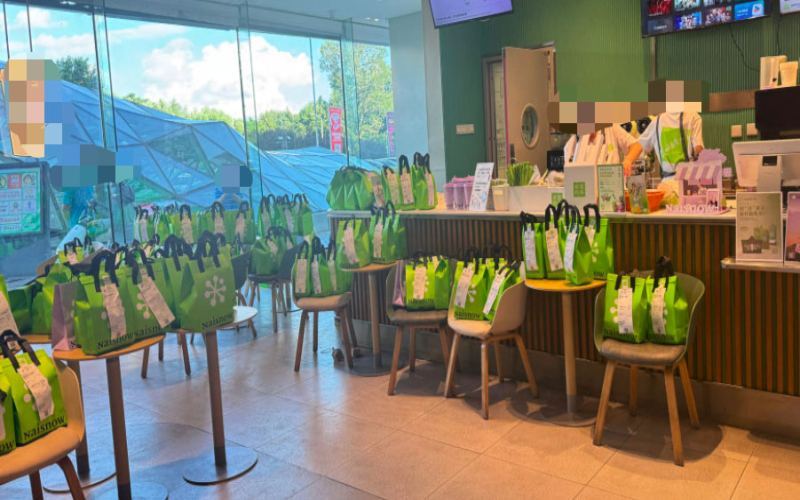
A JD rider entered a Bawang Chaji bar counter to help with packing, sparking heated discussion among netizens over food safety regulations.
Yesterday, the topic of "the first cup of milk tea in autumn" sparked widespread attention on social platforms, with orders at chain tea beverage brand stores surging, and some stores surpassing a thousand cups in sales within a short period. Under the pressure of the order surge, a scene appeared at a Certain Tea store where a JD delivery rider entered the bar area to assist with packing. After the video circulated, it triggered polarized discussions among netizens. Some praised the rider's goodwill in proactively helping, while others questioned whether non-store employees entering the operation area complies with food safety regulations. Surrounding bar operation permissions, health certificate requirements, and store management systems, various viewpoints clashed, and the incident quickly became a hot topic of discussion. [more…]
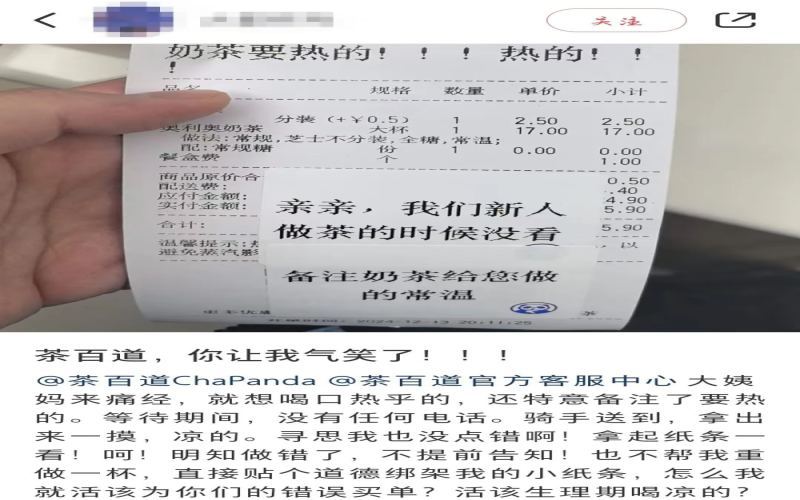
Milk tea ordered as a hot drink but made at room temperature, customer questions why they should pay for the store's mistake
As the weather turns cooler, many consumers specifically note when ordering coffee or milk tea that they want it served hot. However, recently a customer at a ChaPanda store clearly left a note asking for the drink to be heated, yet received a room-temperature beverage. What angered her even more was that the staff had already noticed the mistake when handing out the order, but still packed and sent out the drink, attaching a note to explain. This incident sparked widespread discussion online: why should the customer pay for the store's mistake? Restaurant industry professionals pointed out that when an order is found to be made incorrectly, the store should bear the loss and remake it, rather than forcing the wrong item on the consumer. [more…]
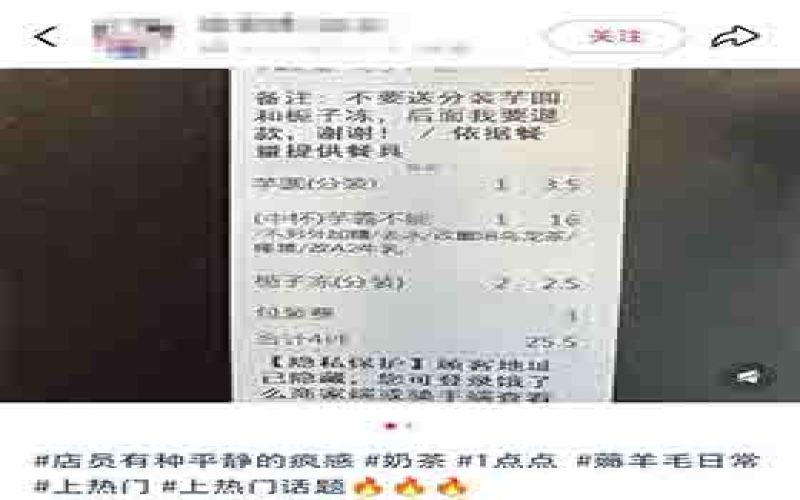
Adding extra toppings to meet the minimum order for milk tea delivery and then requesting a refund sparks heated debate, leaving staff baffled
During the Double Eleven shopping festival, many consumers, in order to use platform coupons, adopt a method of first adding extra items to reach the threshold and then requesting a refund, so as to buy their desired products at a lower price. This practice, known as the "big promotion add-on refund trick," was originally seen mostly on online shopping platforms, but has now quietly appeared in the tea beverage delivery industry. Recently, a milk tea shop employee posted a customer order, with notes requesting that the toppings not be packed separately and intending to request a refund afterward, which left the employee and netizens astonished. The incident sparked widespread discussion, with netizens both curious about the feasibility of the operation and expressing sympathy for the merchants and employees. This article will recount the incident and analyze the platform rules and industry dilemmas behind this phenomenon. [more…]
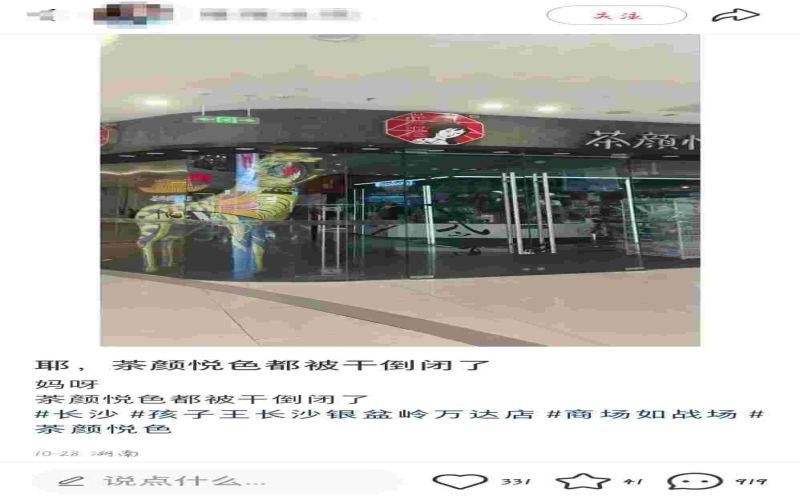
Tea Yan Yue Se stores in multiple locations have closed one after another, and the once-packed queues are hard to see again.
Recently, a netizen tipped off that a nearly ten-year-old CHAYANYUESE store at Yinchangling Wanda Plaza in Changsha had quietly closed, sparking widespread discussion. Subsequently, more netizens shared photos pointing out that stores in multiple locations—including Changsha South Railway Station, Huachuang International Plaza, Changde Wanda, and Wuhan Buddha Ridge subway station—had also been successively withdrawn in the recent period, and the actual number of closures may be even higher. Regarding the reasons for the closures, some believe it is the brand adjusting its store layout, while others attribute it to declining mall foot traffic. However, more consumers point the finger at CHAYANYUESE's insistence on its "stand-in-line verification" mechanism—drinks are only made after customers verify their orders in person—which runs counter to today's consumer habits of pursuing efficiency and convenience. In addition, longtime fans generally report a decline in quality control, with the value for money of the drinks being far worse than before. Once a must-visit spot for photos, its charm has now faded, stores sit empty, and the brand's move to close underperforming locations and cut losses in time may also be a reluctant choice. [more…]

Why do takeaway coffees pack the espresso and milk separately? Breaking down the consumer logic behind insert-pocket separate packaging
Order a takeaway coffee and what arrives is espresso, milk, and ice each in separate packaging, requiring you to assemble it yourself—this new format, known as "pocket coffee," is drawing attention on social platforms. Its emergence addresses takeaway pain points such as dissipating milk foam and loss of flavor, while also catering to young people's desire for participation and ritual. According to Deloitte data, the number of coffee shops in China has approached 110,000, with independent cafes accounting for as much as 87%, and takeaway has long become an important channel for their survival. Why has portioned coffee become popular? Can it balance flavor and experience? And what new problems might it bring? This article sorts through them one by one. [more…]
2022 China Coffee Bean Price Guide and Buying Guide: What Beans to Use for Opening a Coffee Shop and How to Calculate the Cost per Jin
For friends who want to open a coffee shop or are currently running a café, one of the most pressing questions is: how much does coffee beans cost per catty, and where can you buy them with the best value for money? This article compiles the latest 2022 quotes and purchasing insights from China's coffee bean market, covering estate-level coffee beans from major producing regions such as Ethiopia, Indonesia, Jamaica, Panama, Colombia, and Yunnan, the price ranges from half a pound to one pound, and how different roast levels and processing methods affect flavor and cost. It also specifically retains product information and recommendations from Front Street Coffee, helping you make clearer judgments when selecting beans for your shop. [more…]
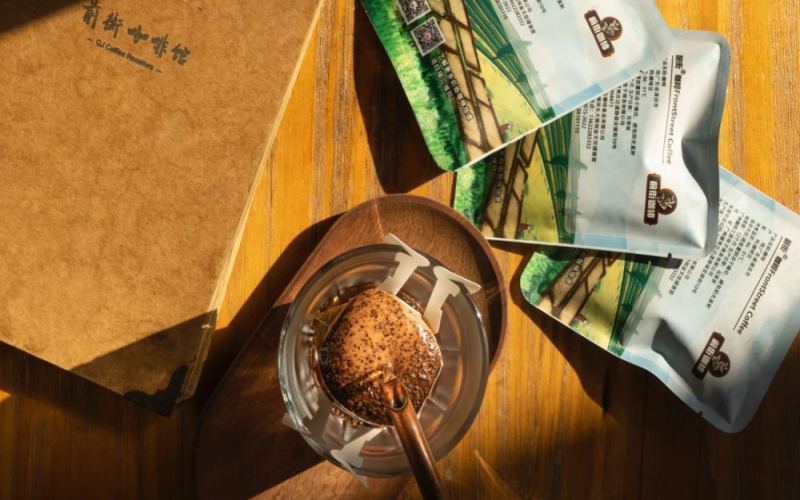
Is the sun-dried G1 Huakui drip bag black coffee worth buying? A practical analysis from bean selection approach to brewing details
Friends who have just been introduced to coffee often ask: Will drinking drip coffee bags every day have any effect on my health? As a beginner, how should I choose black coffee bean drip coffee bags? This article starts with the direction of bean selection for beginners, helping you find the one that suits your flavor preferences, then discusses how to judge the roast level from flavor descriptions, followed by an objective analysis of the advantages and disadvantages of drip coffee bags, explaining why they can only be brewed once and cannot be re-steeped, and finally uses the Front Street Coffee Sun-Dried G1 Huakui drip bag as an example to break down the complete process step by step—from tearing the bag, blooming, pouring water, to making a latte—so that busy office workers can also casually brew a smooth, good cup of coffee. [more…]
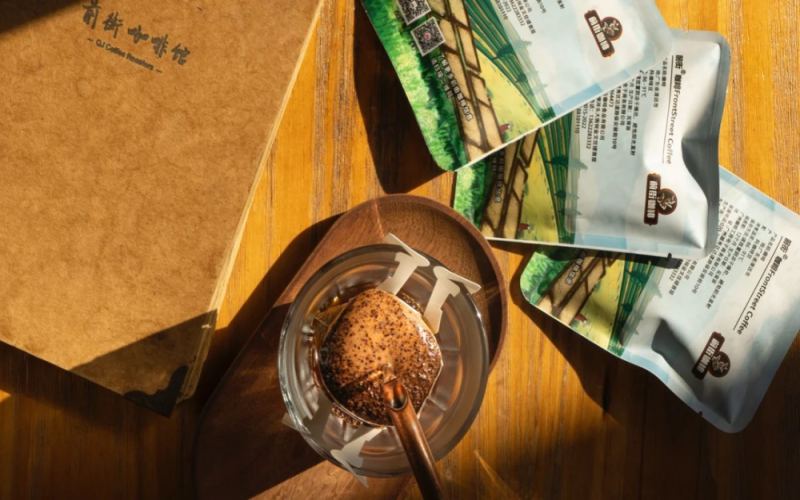
Types of Black Coffee | How Can Coffee Beginners Choose Drip Coffee Bags? What Are the Pros and Cons of Sidamo Huakui Drip Coffee? Is Drip Coffee the Same as Pour-Over Coffee?
For more specialty coffee knowledge, please follow: Front Street Coffee (Frontsteet Coffee) Is drinking drip bag coffee beans long-term harmful to your health? How should coffee beginners choose black coffee beans and drip bag coffee packs? You've probably been asked similar questions by friends who have "just gotten into coffee." [more…]
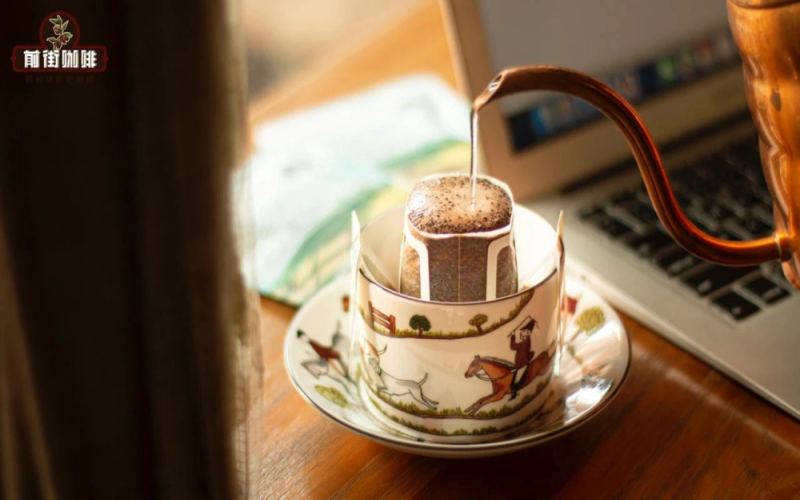
Filter Coffee Brands | Which Is Healthier: Drip Bag Coffee or Instant Coffee? Recommended Single-Origin Drip Bag Coffee Packs from Representative Coffee Regions for Beginners
In today's world, drip bags and instant coffee are readily available everywhere, yet the impressions they give people are completely different. Instant coffee uses dissolve-and-extract technology and has added saccharin and milk powder, so its flavor is very monotonous; drip bags, on the other hand, are made by pre-grinding freshly roasted coffee beans into powder and then putting it into a filter bag. Compared with instant coffee, drip bags can not only [more…]
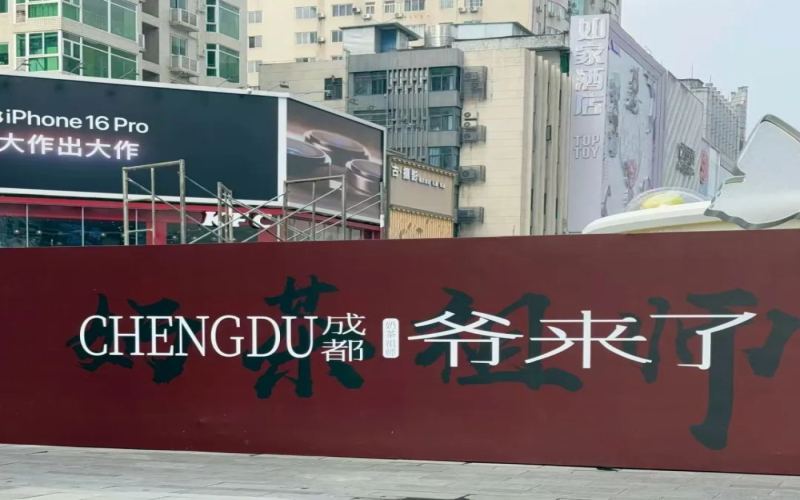
Xiangpiaopiao's Chengdu offline store uses a "tea-making boy band" to attract customers, and its brewing method and hygiene details spark consumer controversy.
The physical milk tea shop opened by Xiangpiaopiao on Chunxi Road in Chengdu has recently become a hot topic. The brand used a "tea-making boy band" as a selling point, recruiting male staff over 180 cm tall with good looks and charisma, and through social media voting selected 27 candidates, ultimately choosing 12 to work in the store. On opening day, long lines formed at the shop; the boy band members were responsible for packing orders and interacting with customers for photos, providing emotional value. However, some consumers pointed out that the drinks in the store are still mainly made by brewing tea bags and juice with hot water, which differs from mainstream freshly made tea beverages; the drink output efficiency is low, with wait times of up to half an hour, and photographers and other non-operational personnel were moving around the bar area taking photos without wearing masks or hats, raising questions about food hygiene. Xiangpiaopiao had previously used a similar strategy of highly attractive staff at a pop-up store by West Lake in Hangzhou, and this operation is seen as a continuation and upgrade of that marketing approach. [more…]
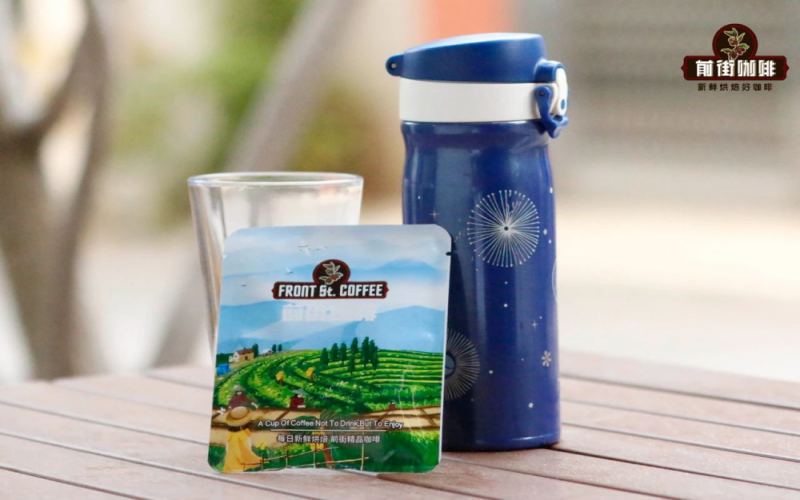
How Is Drip Bag Coffee Different from Americano? Front Street Drip Bag Black Coffee Bean Variety Recommendation Guide
Drip bag coffee and Americano both fall under the category of black coffee, but their brewing methods and flavor profiles differ noticeably. Drip bag coffee places ground coffee into a filter bag and extracts it directly with hot water, making it simple to prepare; Americano, by contrast, relies on an espresso machine to extract a concentrated shot that is then diluted with water, typically yielding a richer mouthfeel. Drip bag coffee originated in Japan in 1990, inspired by the design of string-tied tea bags, and gradually spread to become a mainstream market product after 2002. Front Street Coffee drip bags are standardized at 10 g per bag and can brew approximately 130–150 ml of coffee liquid. All fifty-plus single-origin coffees on Front Street Coffee's bean list can be made into drip bags. This article offers bean selection advice for coffee lovers with different taste preferences, organized by three flavor types—bright fruity acidity, rich and nutty, and intense fruity aroma—and also explains the freshness and storage considerations for drip bag coffee. [more…]
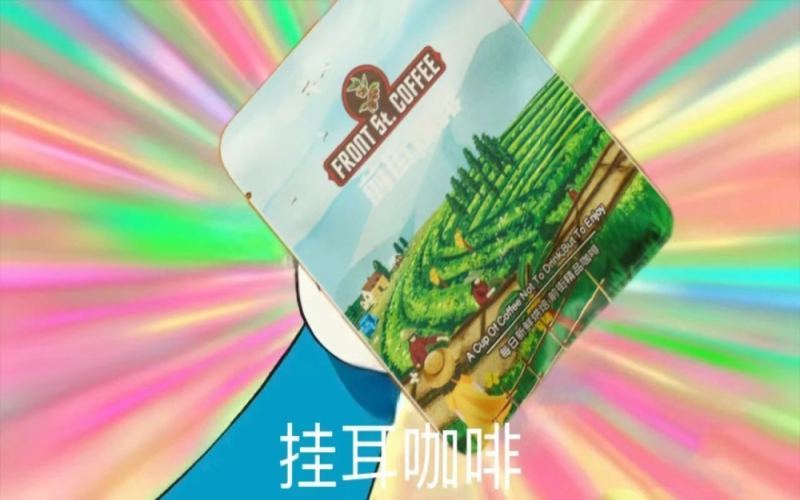
Pour-Over Drip Bag Coffee Brewing Guide: Can You Brew It Directly with Milk? Detailed Explanation of Water Temperature, Water Amount, and Step-by-Step Instructions
Drip bag coffee, with its convenience and flavor retention, has become the preferred way for many people to get their daily black coffee. But there are also many questions surrounding it: Can it be brewed directly with milk? What water temperature is appropriate? This article starts with the origin of drip bag coffee, sorts through the origin stories behind Front Street Coffee's products such as Sun-Dried Red Cherry, Brazil Red Fruit, Honduras Sherry, and the seasonal drip bag packs, and explains in detail the brewing water amount, water temperature, blooming time, and operating steps. Finally, it answers the feasibility and precautions of adding milk, helping coffee lovers more fully grasp the key points of brewing drip bag coffee. [more…]
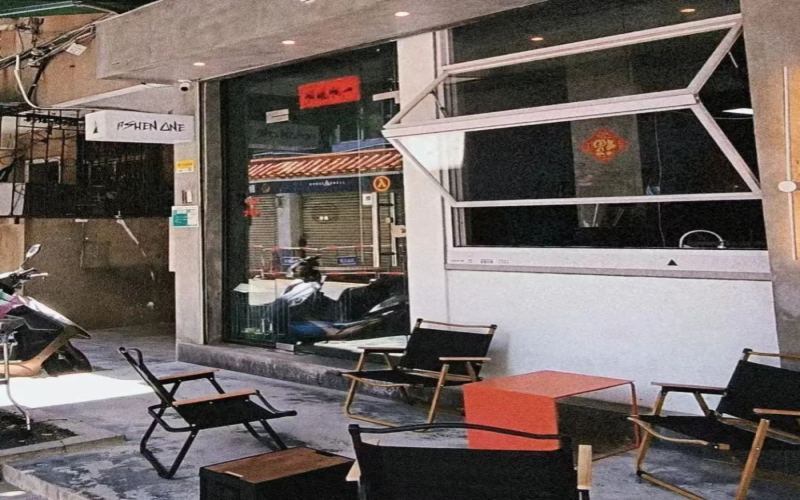
The coffee track in small cities is crowded—what else can fourth- and fifth-tier coffee shops rely on to break through?
As the coffee markets in first- and second-tier cities gradually become saturated, more and more brands are turning their attention to small cities in the fourth and fifth tiers, making the county-town coffee track unusually crowded. Using Xinhui District in Jiangmen, Guangdong as an example, this article reviews the local coffee shop scene from Starbucks' entry to the explosive growth of community stores, analyzes the three major challenges facing coffee shops in small towns: excessive competition within the same area, the downward expansion of large chain brands, and shortcomings in their social-space attributes, and observes some store owners' new idea of shifting toward a "si-doh" convenience-store model, exploring the survival space and future direction of coffee shops in small towns. [more…]
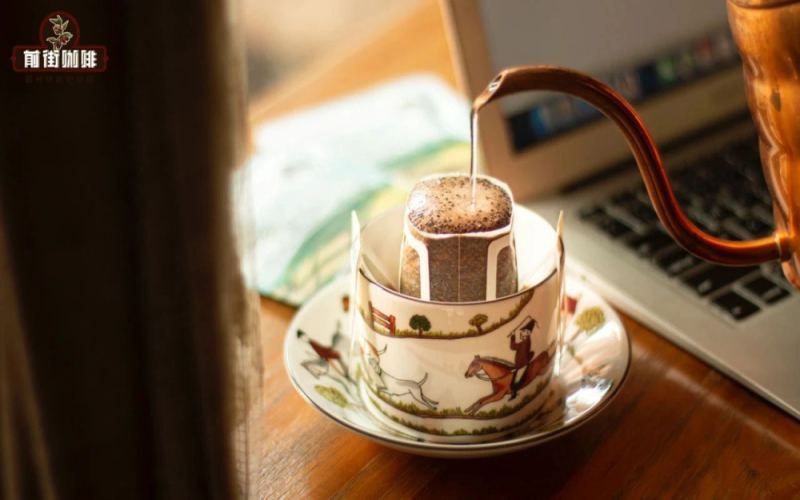
Drip Coffee Bag Buying Guide: Flavor Analysis and Brewing Tips for Ten High-Value Single-Origin Picks from Front Street Coffee
Although drip bag coffee and instant coffee are both convenient, their essential differences are significant. Instant coffee, due to its dissolution and extraction process and the frequent addition of sugar and creamer, has a flat taste; drip bag coffee, on the other hand, uses freshly roasted coffee beans that are ground and packed into bags, offering rich flavor layers and containing no extra sugar or milk, better meeting health needs. Starting from the differences in coffee origins and flavors, this article systematically organizes ten high-value drip bag coffee packs from the Front Street brand, covering producing regions such as Yirgacheffe, Rwanda, Mandheling, Panama, Brazil, Colombia, Papua New Guinea, Yunnan, Kenya, and Costa Rica, explaining one by one the altitude, variety, processing method, and flavor characteristics. It also provides the standard brewing process for drip bag coffee, including the coffee-to-water ratio, water temperature control, and staged pouring techniques, helping enthusiasts easily recreate a good cup of coffee. [more…]
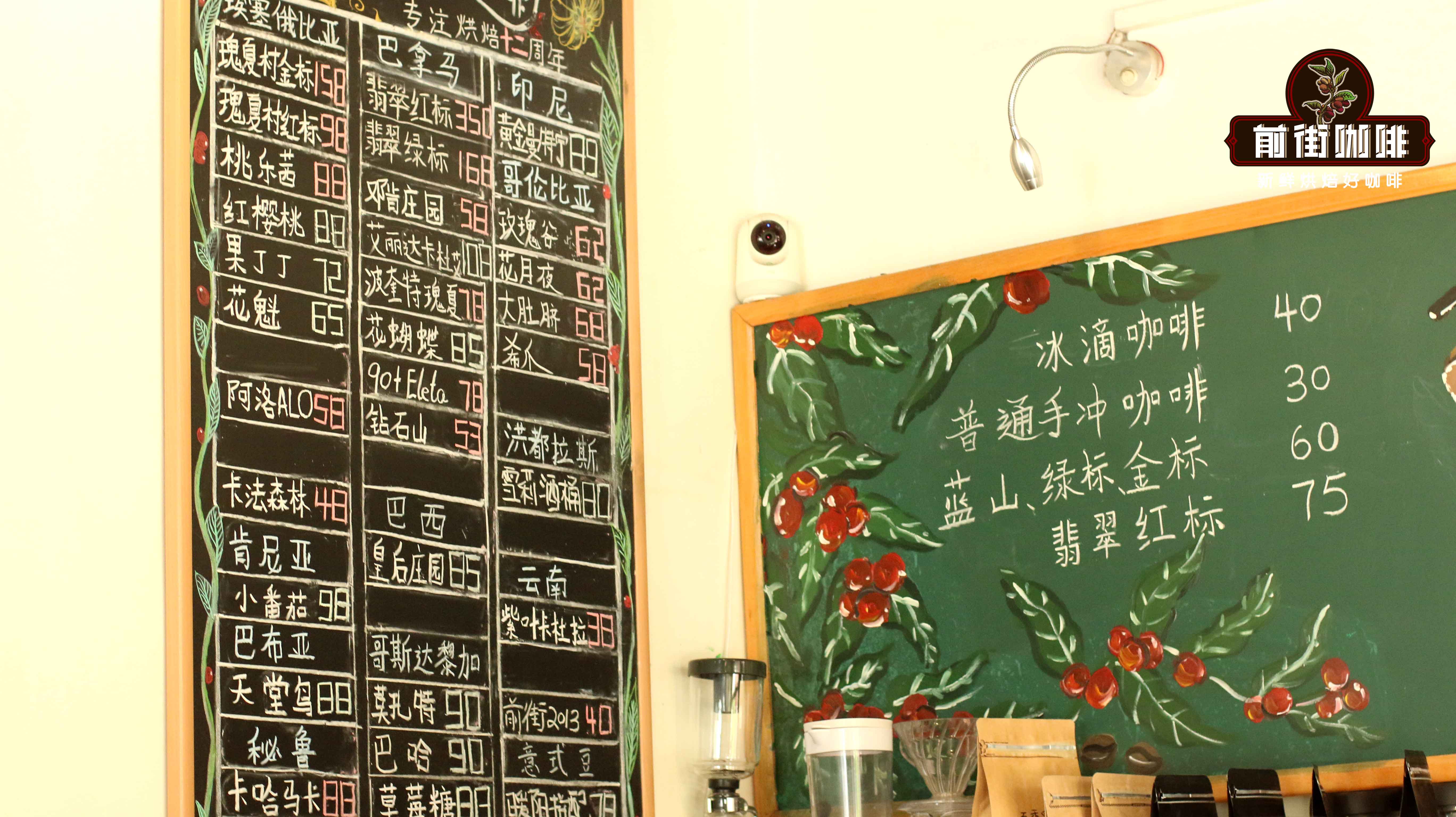
Front Street Coffee Single-Origin Beans Wholesale Buying Guide: A Complete Overview of Green and Roasted Bean Quotes and a Flavor Analysis of Global Producing Regions
To open a coffee shop or replenish your home supply of everyday beans, finding a stable and reliable wholesale channel is key. Guangzhou's long-established Front Street Coffee (FrontStreet Coffee) keeps over 50 single-origin beans in stock offline, spanning many well-known producing regions and estates across Africa, the Americas, and Asia, so you can find a suitable choice whether for pour-over, espresso, French press, moka pot, or cold brew. This article compiles Front Street Coffee's latest single-origin coffee bean list and green/roasted bean wholesale price report, covering popular beans such as Yirgacheffe, Sidamo, Mandheling, Blue Mountain, and Hacienda La Esmeralda, with grades, processing methods, roast levels, and flavor descriptions attached, making it convenient for roasters and cafes to purchase as needed. For commercial use in opening a shop, Front Street Classic Blend is recommended, a combination of three producing regions—Brazil, Indonesia, and Vietnam—with a medium-dark roast bringing a mellow mouthfeel and rich oils, equally suitable as everyday beans for home use. [more…]